The Rise of AI in Weather Prediction
- nykazagarrett
- Feb 10, 2025
- 4 min read
In recent years, artificial intelligence (AI) has made significant strides across multiple industries, and meteorology is no exception. Traditional weather forecasting methods are being complemented, and in some cases replaced, by AI-driven models. These advancements are not just technical upgrades; they have the potential to revolutionize how we understand and predict weather patterns. In this blog post, we will delve into the reasons behind the surge in AI usage in weather prediction, explore prominent examples of AI weather models, compare these models to numerical weather prediction, and discuss the associated pros and cons.
Why We Are Starting to Use More AI Weather Models
The need for more accurate and timely weather predictions drives the increasing adoption of AI in meteorology. Traditional numerical weather prediction (NWP) relies heavily on solving complex mathematical equations, which can lead to limitations in accuracy and speed, especially in rapidly changing atmospheric conditions.
AI offers several advantages that make it attractive for weather forecasting:
Data Processing Capabilities: AI can analyze vast amounts of data much faster than traditional methods. It can sift through historical data, satellite images, and real-time weather information to identify patterns that might not be immediately visible to human meteorologists.
Machine Learning: By employing machine learning, AI models can improve their predictions over time. This self-learning capability allows them to adapt to new weather patterns and improve accuracy without constant human intervention.
Cost-Effectiveness: Implementing AI models can be more cost-effective in the long run, as they can streamline the data collection process and reduce the need for extensive human oversight.
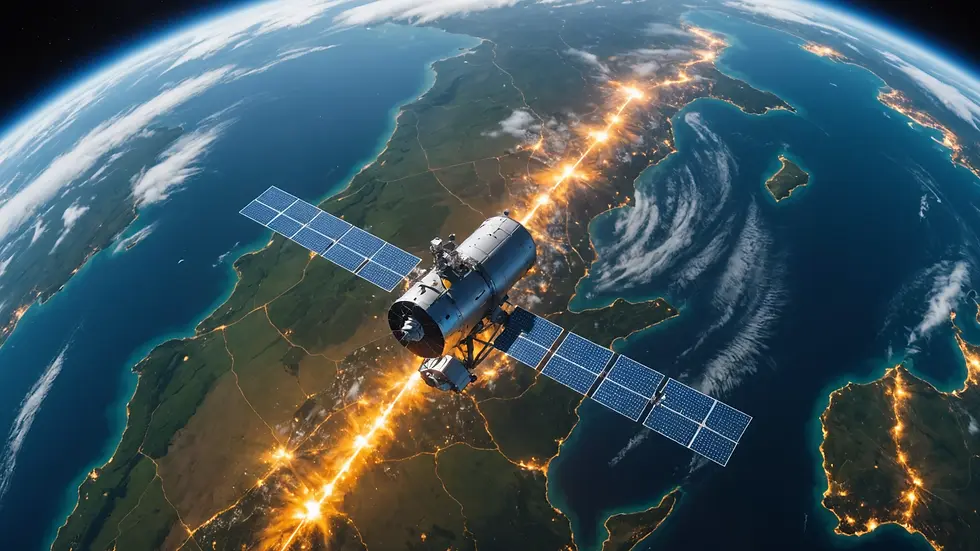
Examples of AI Weather Models
Various organizations and research institutions are developing and testing AI-based weather prediction models. Here are some noteworthy examples:
IBM’s The Weather Company: IBM has integrated AI into its weather service, using machine learning algorithms to enhance the accuracy of weather forecasts. The company utilizes both historical meteorological data and real-time information to create more precise forecasts.
Google’s Weather Model: Google has been experimenting with AI to predict weather patterns using neural networks. Their model leverages vast datasets and is designed to offer hyper-local forecasts, which can be helpful for planning events or managing agriculture.
DeepMind’s Weather Prediction Model: This project, developed by DeepMind, aims to use deep learning to predict future weather conditions over several weeks. It focuses on long-range forecasts, which are notoriously difficult to predict accurately using traditional methods.
Climate Artificial Intelligence Research: Various universities and research organizations are conducting studies that combine meteorology with AI algorithms. These efforts focus on enhancing climate models as well as providing regionally specific weather predictions.

Differences Between AI and Numerical Weather Prediction Models
While both AI and numerical weather prediction models aim to forecast the weather, they operate on fundamentally different principles.
Numerical Weather Prediction (NWP) relies on complex mathematical equations that represent physical processes in the atmosphere. NWP models use massive supercomputers to simulate these equations over time, producing forecasts that extend from hours to weeks ahead. While these models are often very reliable for short-term predictions, they can struggle with accuracy in volatile or rapidly changing weather conditions.
AI Weather Models, on the other hand, leverage machine learning techniques to make predictions based on patterns discovered in historical data. Rather than relying solely on equations, AI models identify correlations through data analytics. They can continuously learn and adapt to new situations, allowing for rapid updates and improved forecasts over time.
This difference makes AI particularly useful for microclimate predictions that require adaptability and quick updates, while NWP remains effective for broader, large-scale forecasts.
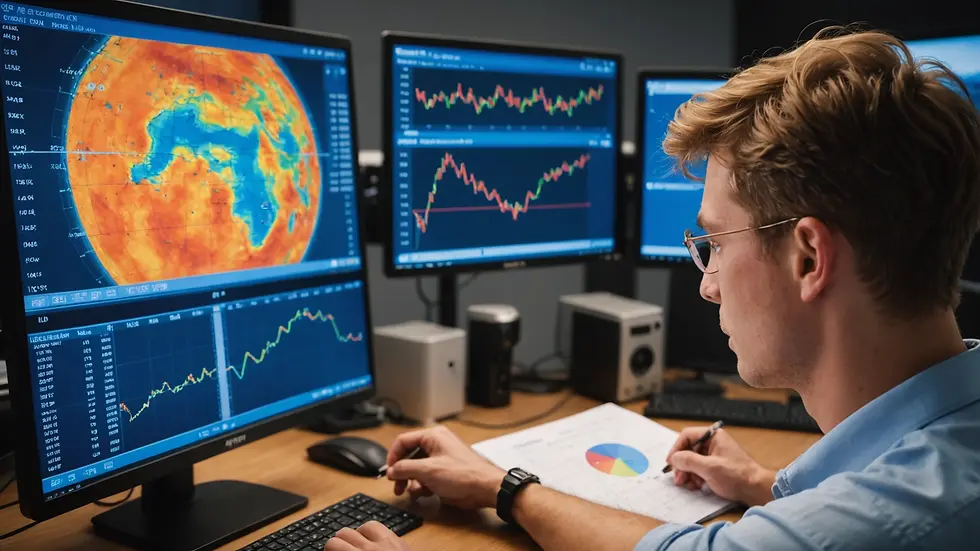
Pros and Cons of Using AI Weather Models
As with any technology, AI weather models come with their own set of advantages and disadvantages.
Pros
Increased Accuracy: AI models can improve forecast accuracy, particularly for localized weather events where traditional models may fall short.
Faster Processing: The speed at which AI can process data allows meteorologists to get rapid updates, potentially leading to timely warnings for severe weather events.
Enhanced Understanding: Machine learning techniques can uncover underlying patterns in weather data, leading to a better understanding of atmospheric phenomena.
Cost-effective Solutions: Over time, businesses and organizations can save on operational costs as AI models require less human intervention and reduce data collection expenses.
Cons
Data Dependence: AI models rely heavily on the quality and quantity of the data they are trained on. Inaccurate or insufficient data can lead to faulty predictions.
Computational Resources: While AI can process data quickly, developing and maintaining these models requires significant computational power and resources.
Limited Interpretability: Unlike traditional models that operate on clear equations, AI models can sometimes be viewed as “black boxes,” making it difficult to understand why specific predictions are made.
Integration Challenges: Incorporating AI into existing forecasting systems can be complex and may require significant changes in workflows and training for existing meteorologists.
Final Thoughts on AI in Meteorology
As AI continues to evolve, its application in weather prediction is likely to expand further. For meteorology students and interested members of the public, understanding these developments can provide valuable insights into the future of weather forecasting.
The potential benefits of AI, especially in enhancing accuracy and providing timely predictions, help justify its growing prevalence in meteorological practices. Nonetheless, it will be crucial to recognize its limitations and to combine it effectively with traditional forecasting methods to ensure a balanced approach to weather prediction.
As we embrace the future, it is essential to remain informed about these advancements and their implications. Stay curious and keep learning about how AI is shaping our world, especially in critical fields such as meteorology.


Comments